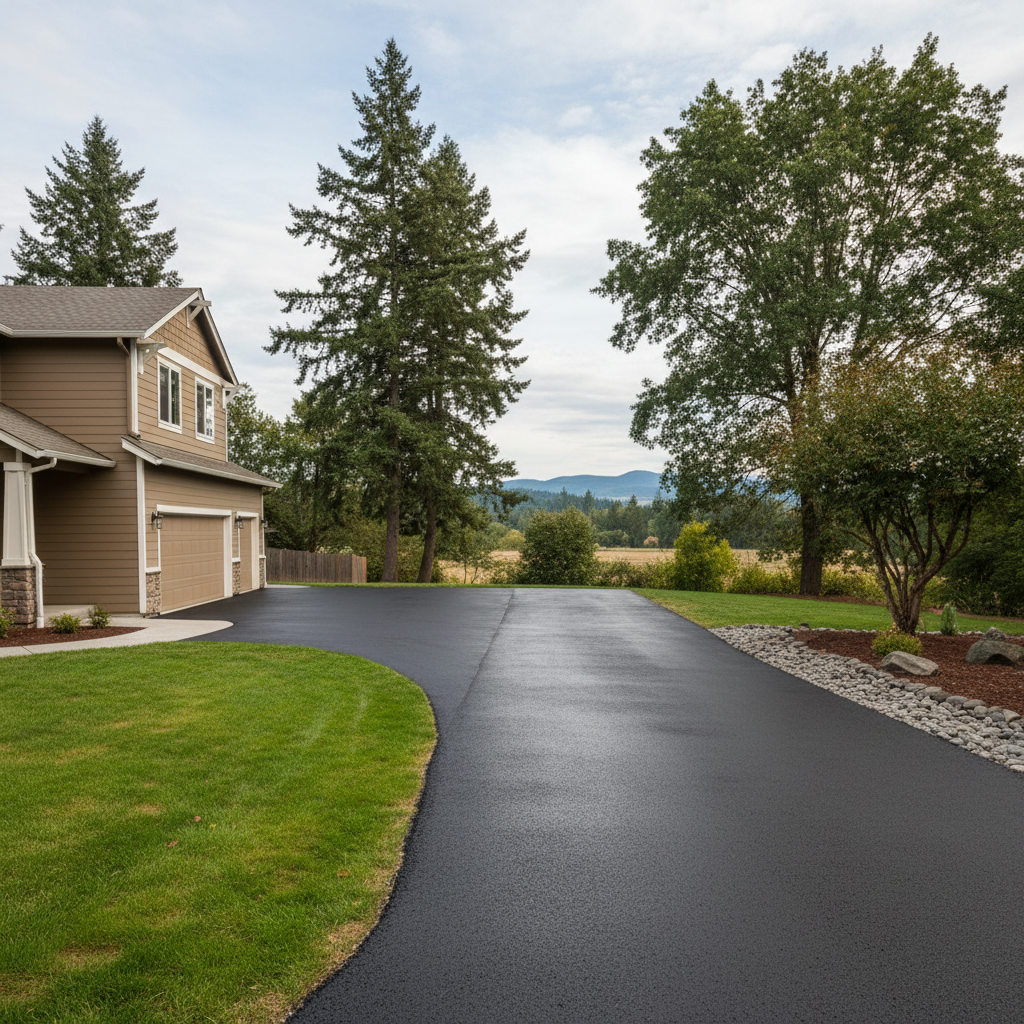
So, you're thinking about sealcoating your driveway. Good call. It's one of the best things you can do to protect your asphalt and make it last longer, especially with our hot summers and wet winters here in Eagle Point. But it's not just a quick spray-and-go job, you know? There's a bit of planning involved if you want it done right and without a headache. Let's walk through what you need to know.
Understanding the Timeline: When to Sealcoat
Timing is everything with sealcoating. You can't just do it any old day. The biggest factor is temperature. You need consistent temperatures, both day and night, that stay above 50°F. If it dips below that, especially overnight, the sealer won't cure properly. Then you'll end up with a mess, or a job that just doesn't last. That means for us around Eagle Point, you're generally looking at late spring through early fall. Trying to squeeze it in too early or too late in the season is just asking for trouble, honestly.
Beyond temperature, you need dry weather. No rain for at least 24 hours before, during, and after the application. If it rains too soon, it'll wash away, and you've wasted your money. So, when you're talking to a contractor, make sure they're paying attention to the forecast, not just their schedule.
As for how long the actual work takes? For a typical residential driveway, the application itself might only be a few hours. But then you've got the curing time. You'll need to stay off that driveway for at least 24 to 48 hours, sometimes even longer depending on the product used and the weather. Plan ahead for where you'll park your car, or if you'll need to shuffle vehicles around.
What to Expect During the Process
When the crew shows up, they won't just start slinging sealer. A good contractor will follow a pretty standard process:
- Cleaning the Surface: This is critical. They'll blow off debris, sweep, and often use power washers or wire brushes to get rid of dirt, oil spots, and any loose gravel. If your driveway has moss or algae — especially common in shadier spots near Big Butte Creek — they'll need to treat that too.
- Repairing Cracks and Potholes: Before any sealer goes down, any significant cracks or small potholes need to be filled. Sealer isn't a structural repair; it's a protective coating. If they skip this, those cracks will just show right through the new sealcoat.
- Applying the Sealcoat: They usually do this with sprayers or squeegees. Most residential driveways get two coats for better durability and appearance. They'll apply the first coat, let it dry for a few hours, and then apply the second.
- Curing: As I mentioned, this is the waiting game. They'll put up barricades or tape to keep you and your pets off the fresh surface. Don't try to test it too early; you'll leave tire marks or footprints that are tough to fix.
It's a pretty straightforward process, but each step needs to be done right for the whole job to hold up.
How to Prepare Your Driveway for Sealcoating
You've got a role to play too. A little prep on your end makes the contractor's job easier and helps ensure a better result. Here's what I tell folks:
- Clear the Area: Move your cars, bikes, trash cans, planters, basketball hoops – anything that's on or near the driveway. You don't want anything in the way.
- Trim Vegetation: If you've got grass or weeds growing out of cracks, or bushes hanging over the edge of the driveway, trim them back. This helps the crew clean thoroughly and prevents sealer from getting on your plants.
- Clean Up Oil Stains: If you've got significant oil or fluid stains, try to clean them yourself a few days before. Use a good degreaser and a stiff brush. While the contractor will clean, heavy stains might need extra attention, and sometimes a primer coat, which might be an additional charge.
- Water Your Lawn: If it's a hot, dry day, watering the grass along the edges of your driveway an hour or two before they arrive can help prevent grass from burning if any sealer splashes on it.
- Keep Pets and Kids Away: This is a big one. Sealer isn't something you want your dog walking through or your kids playing in. Plan to keep them safely away from the work area and the curing driveway.
Questions to Ask Before You Sign That Contract
You're spending good money on this, so don't be shy about asking questions. Here's what I'd want to know if I were you:
- What type of sealer do you use? There are different grades and types. Coal tar emulsion used to be common, but now asphalt emulsion sealers are more prevalent and often preferred for environmental reasons. Ask about the specific product they plan to use.
- How many coats will you apply? For residential driveways, two coats are pretty standard and give the best protection. If they only plan one, ask why.
- What's your process for crack filling and oil spot treatment? Make sure they're not just going to seal over existing problems. Ask if crack filling is included in the price or if it's an extra charge.
- What's the weather contingency plan? What happens if it rains unexpectedly? Will they reschedule? Is there a charge for a partial job?
- How long do I need to stay off the driveway? Get a clear answer so you can plan your parking.
- Do you offer a warranty? A reputable company like Midway Asphalt Solutions should stand behind their work. Ask what their warranty covers and for how long.
- Are you licensed and insured? This is non-negotiable. Don't hire anyone who can't prove they're properly licensed and insured. It protects you if something goes wrong.
- Can you provide references? Ask for a couple of recent customers you can call. A good contractor will be happy to provide them.
Getting your driveway sealcoated is a smart investment in your home. By understanding the process and asking the right questions, you'll ensure you get a quality job that protects your asphalt for years to come. Don't rush into it; take your time, do your homework, and you'll be glad you did.