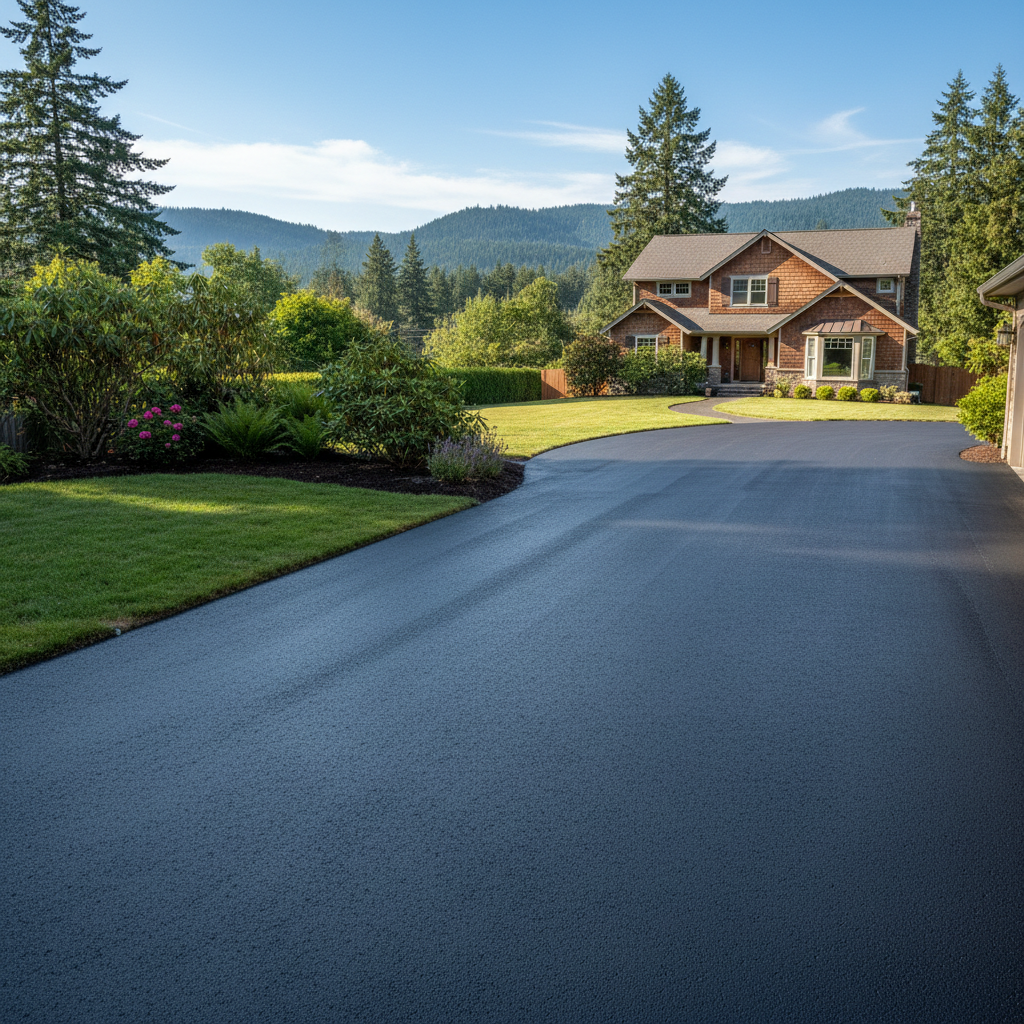
You have a fresh Slurry Coat down on your driveway or parking lot here in Eagle Point. This is a good decision. It is an important investment; it is a cost-effective way to protect your Asphalt, fill small cracks, and give everything a nice, uniform look. However, that fresh, dark surface will not maintain itself, especially with the unique Oregon weather patterns we have. You must put in some work to get the most out of it.
A Slurry Seal is a mixture of Asphalt Emulsion, fine aggregate like sand and small rocks, water, and some additives. It creates a new wearing surface. This surface is thicker and more durable than a simple Sealcoat. It is designed to extend the life of your Pavement by 5 to 10 years. This depends on traffic and conditions. To reach the upper end of that lifespan, you need a solid maintenance plan.
How to Extend That Slurry Coat Life
Extending the life of your Slurry Coat really comes down to protecting it from the elements and from heavy abuse. The climate here in Eagle Point, with its hot, dry summers and wet, cold winters, can be tough on Asphalt.
- Keep it Clean: Dirt, debris, and especially oil or gas spills are enemies of Asphalt. You should sweep your surfaces regularly. If you spill something, clean it up immediately. Oil and gas can break down the Asphalt Binders, which leads to premature deterioration.
- Mind the Weight: Slurry Coats are tough, but they are not designed for constant heavy loads. Try to avoid parking heavy RVs or construction equipment on your freshly coated surfaces for extended periods. If a delivery truck makes regular stops, consider where it sits.
- Control Drainage: Water is the biggest cause of Asphalt damage. Make sure your drainage is good. If you have areas where water pools after rain, that is a problem. Standing water can seep into the Asphalt, especially if there are any tiny imperfections. This can cause issues like Sub-Base erosion and frost heave when temperatures drop below freezing in winter. Here in the Rogue Valley, we get about 20 to 25 inches of rain annually, with December being the wettest month, so proper drainage is important.
- Address Cracks Promptly: Even after a Slurry Coat, new cracks can form, or existing ones can reappear as the coating ages. Do not ignore them. Small cracks can quickly turn into big problems when water gets in. Seal them up with a good quality Crack Filler as soon as you see them.
- Avoid Sharp Turns: Especially when the Slurry Coat is new, or on a hot day, avoid turning your wheels sharply while stationary. This can scuff or tear the surface. Midway Asphalt Solutions has seen this happen a lot in commercial parking lots around the Foothill Road area where people are constantly maneuvering their vehicles.
Regular Maintenance: What It Looks Like
Your regular maintenance routine does not have to be complicated. However, it does need to be consistent.
- Seasonal Sweeping: A good sweep once a season, or more often if you have a lot of tree debris, keeps abrasive materials off the surface. Those small rocks and grit can wear down the Slurry Coat over time.
- Spot Cleaning: As mentioned, clean up spills right away. A little dish soap and water can help with minor oil spots. For tougher stains, you might need a specialized Asphalt Cleaner, but always test it in an inconspicuous area first.
- Visual Inspections: Take a walk around your property once a month. Look for anything out of the ordinary. This is like checking the tires on your truck; a quick look can save you a headache later.
Warning Signs of Trouble
Your Slurry Coat will tell you when it is not in good condition. You just need to know what to look for. Catching these signs early can prevent minor issues from becoming major, expensive repairs.
- Fading or Graying: The Slurry Coat gives your Asphalt a rich, dark black appearance. If you notice it starting to fade to a dull gray, it means the protective qualities are diminishing. UV rays are starting to take their toll.
- Raveling: This is when the aggregate, the small stones, starts to come loose from the surface. This makes it look rough and textured. It is a sign that the binder is breaking down or was not properly embedded.
- Minor Cracks Reappearing or New Ones Forming: Slurry Seals fill minor cracks. They do not fix structural issues. If you see cracks wider than about a quarter-inch, or a web of new, fine cracks, often called 'Alligator Cracking,' it means the underlying Asphalt might be failing or the Slurry Coat is losing its flexibility.
- Potholes or Depressions: These indicate a more serious problem. This problem is likely with the Base Layer beneath the Asphalt. A Slurry Coat is a surface treatment, not a structural repair. If you are seeing potholes, the issue is deeper than the Slurry.
- Water Pooling: If water is consistently sitting in certain areas after it rains, it is a sign of poor drainage or settling. That standing water will accelerate deterioration.
When to Call a Professional
Midway Asphalt Solutions is for homeowners who like to do things themselves, but some jobs are best left to the professionals. When it comes to your Slurry Coat, knowing when to pick up the phone can save you money and headaches in the long run.
- Significant Cracking or Potholes: If you have cracks wider than a quarter-inch, or any actual potholes, a simple DIY patch will not be enough. These require professional repair before any new Slurry can be applied. Slurry Seal works best on pavements with minor surface deterioration.
- Extensive Raveling: If large areas of your Slurry Coat are raveling and losing aggregate, it is time for an assessment. This could mean the coat has reached the end of its effective life. Or, there was an issue with the original application.
- Sub-Base Issues: If you notice areas sinking or major depressions, that is a sign of a problem with the Sub-Base. This needs a professional evaluation and likely more extensive repair than just a surface treatment. The expansive clay soils we have in parts of Eagle Point can sometimes contribute to these kinds of issues if they are not properly addressed during initial construction.
- Reapplication Time: Generally, a Slurry Seal should be reapplied every 6 to 9 years to maintain its protective qualities. If you are approaching that timeframe, even if it looks okay, it is worth having Midway Asphalt Solutions come out for an inspection. Midway Asphalt Solutions can tell you if it is ready for another coat or if other repairs are needed.
- Before it is Too Late: The biggest reason to call Midway Asphalt Solutions is before your Asphalt gets to the point of needing a full replacement. Slurry Sealing is preventative maintenance. It is far more cost-effective to maintain your Asphalt than to let it degrade to the point of needing a complete overhaul.
Taking care of your Slurry-Coated Asphalt is not difficult, but it does require attention. A little proactive maintenance goes a long way in protecting your investment and keeping your Eagle Point property looking its best for years to come. Midway Asphalt Solutions provides Slurry Coat services for homes and businesses in Eagle Point, OR.